Specifications
- Gain
- 2-3dBi
- Size
- 50-100mm
- Price Range
- $5-15
Pros & Cons
Pros
- ✓ Very compact and portable
- ✓ Built into many devices
- ✓ Inexpensive
- ✓ No external mounting needed
Cons
- ✗ Poor performance compared to external antennas
- ✗ Short range
- ✗ Many cheap versions poorly tuned
- ✗ Not suitable for fixed installations
- ✗ Inconsistent quality across brands
Where to Buy
Rubber Duck Antenna
Overview
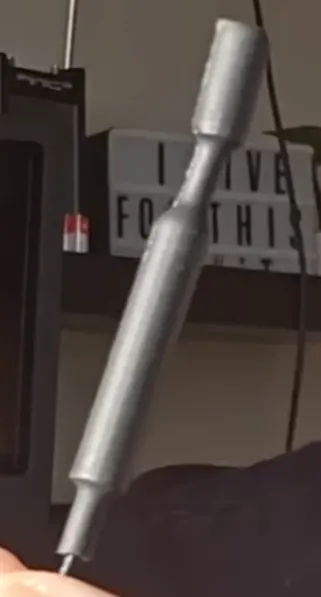
Rubber duck antennas are the small flexible antennas that come standard with many LoRa devices. While convenient and compact, they represent the bare minimum for antenna performance and should be considered a stepping stone to better options.
Why “Bad”?
According to antenna testing by Andy Kirby and others in the LoRa community, rubber duck antennas are categorized as “bad” for several reasons:
- Low Gain: Typically 2-3dBi (or less)
- Poor Quality Control: Many cheap imports are not properly tuned
- Limited Range: Significantly shorter range than external antennas
- Inconsistent Performance: Wild variation between manufacturers
- Not Weatherproof: Degrades quickly in outdoor conditions
The Reality
Many LoRa devices ship with rubber duck antennas because they’re:
- Cheap to manufacture
- Compact for shipping
- Self-contained (no external antenna needed)
- “Good enough” for initial testing
However, they’re meant to be replaced, not used long-term.
When They’re Acceptable
Rubber duck antennas are fine for:
- Initial device testing and configuration
- Indoor short-range applications (< 1km)
- Extremely portable pocket-sized devices
- Backup antenna when traveling
Performance Comparison
Approximate range multipliers compared to rubber duck (baseline = 1x):
- Rubber Duck: 1x (baseline)
- 3-5dBi External: 2-3x range
- 5.8dBi Fiberglass: 3-5x range
- 8dBi High Gain: 5-8x range
Real world: A rubber duck getting 500m might achieve 2-4km with a proper 5.8dBi external antenna in the same location.
The Upgrade Path
Immediate improvement (under $20):
- Any 3-5dBi omnidirectional antenna
- Even cheap external antennas outperform rubber ducks
Good improvement ($30-50):
- 5.8dBi fiberglass antenna
- Magnetic car mount for mobile use
Professional ($70-150):
- 8dBi+ fixed installations
- Premium manufacturer antennas
Common Questions
Q: My device came with rubber duck, should I upgrade?
A: Yes, unless you only need very short range. Even a $15 3dBi external will show dramatic improvement.
Q: Which upgrade should I buy first?
A: Depends on use case:
- Mobile: Magnetic car mount antenna
- Home: 3-5dBi omnidirectional
- Repeater: 5.8-8dBi fiberglass
Q: Can I use rubber duck temporarily?
A: Absolutely! It’s fine for initial setup and testing. Upgrade when ready.
VashonMesh Perspective
No VashonMesh repeater installations use rubber duck antennas. All fixed installations have upgraded to at least 5.8dBi external antennas, with most using 5.8-8dBi professional fiberglass options.
For personal radios, rubber ducks are fine for indoor testing but external antennas dramatically improve participation range in the mesh network.
The Bottom Line
Think of rubber duck antennas like training wheels:
- Necessary for beginning: Gets you started
- Limited performance: Not for serious use
- Meant to be upgraded: Plan to replace
- Holding you back: Limiting your potential
Next Steps
Browse our other antenna recommendations:
- 5.8dBi RF Explorer - Excellent fixed upgrade
- Magnetic Car Mount - Best mobile option
- Professional Antennas - For serious installations